Understand your plan
How the estimates work.
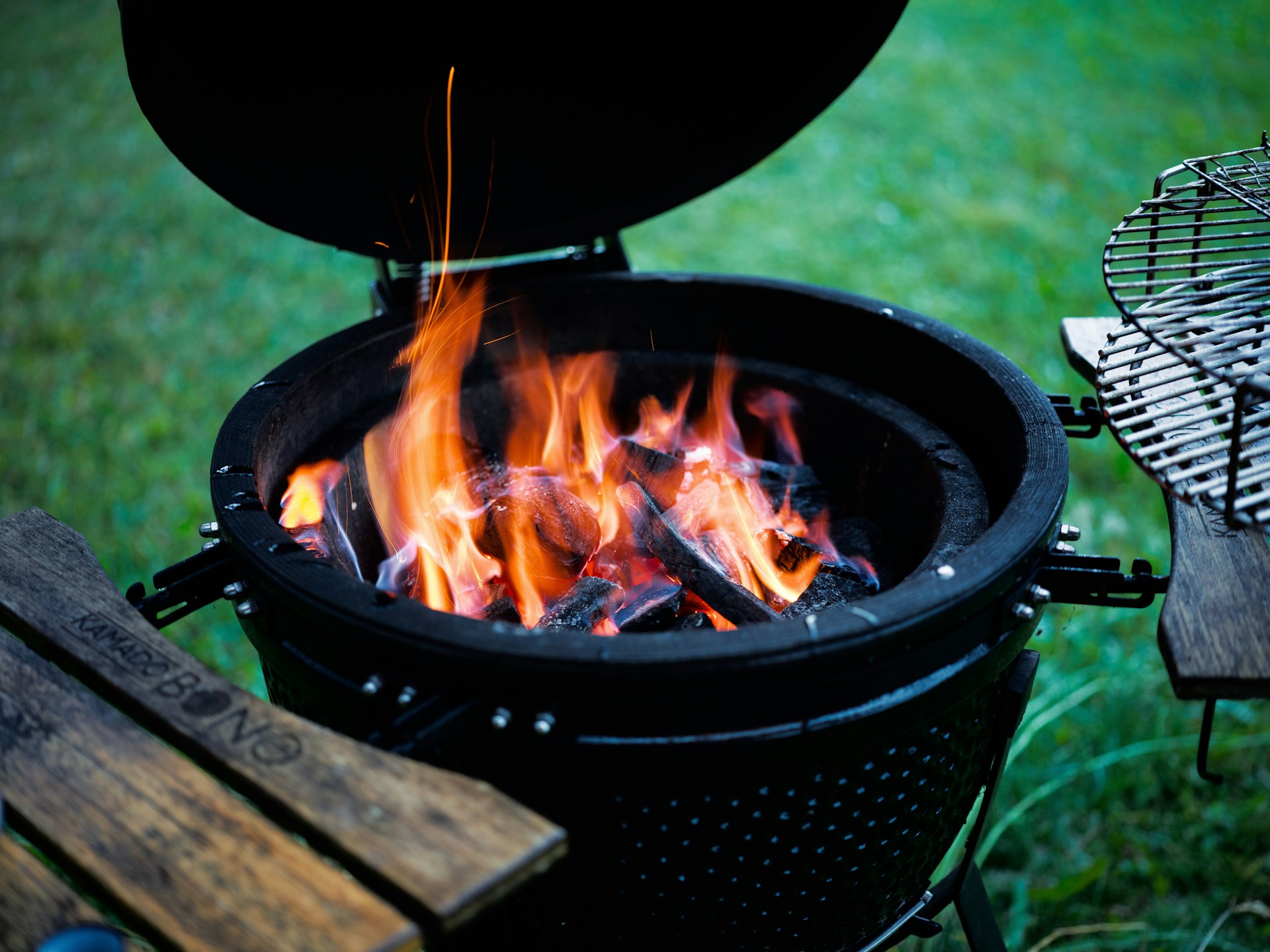
Smoke Planner works backward from your chosen serve time. It estimates cook duration, adds your rest and timing buffer, and places preparation and pit startup before the cook.
Cut-specific planning windows
Ribs use rack type and thickness. Poultry batches use piece size, not combined weight. Large cuts use single-cut weight and thickness. The planner schedules against the upper end of a broad cook window. Startup, rest and your buffer are separate.
Published procedures inform these windows. Size factors and temperature conversions are model assumptions, not measured results or calibrated probabilities. Actual pit temperature, airflow, stall and shape may push a cook outside the window. Use measured food temperature and tenderness to decide when it is ready.
One model for tables, answers, and plans
The planner and guide generator use data/engine.json and the same calculation module. Guide tables, quick answers, worked examples, and FAQ timing answers are generated from those inputs. Matching cut, size, temperature, and method produce matching windows. Table times exclude startup, rest, and buffer. The worked examples show these separately.
What is published and what is assumed
We prioritize FoodSafety.gov for safety thresholds and documented cooking procedures that identify the cut, size, pit temperature, and method. Source dates and conditions are stored with each cut and shown beside guide tables. A source's lower poultry pull point or cooler-hold suggestion does not override the official safety guidance.
Large-cut size scales with the square root of weight relative to the reference cut. Thickness factors are 0.85, 1, and 1.2. Racks and pieces do not scale with batch weight. Other-temperature rows use the anchor-temperature ratio. Ranges round outward to 15 minutes. These are explicit assumptions, not validated heat-transfer laws or measured prediction intervals. We have no calibrated confidence percentage.
The model does not add universal percentages for pit, bone, wrapping, cold start, or weather. Unwrapped cooks, crowded racks, large quarters, unusual shapes, and unstable grate temperature may fall outside the window. Whole-chicken size conversions and lower-temperature turkey-breast rows are extrapolations. Spare-rib evidence was available only as a search extract; the complete source could not be retrieved.
Updates and validation limits
Reviewed October 11, 2026. Automated tests check shared table values, boundaries, safety defaults, and time arithmetic. Browser tests check the interface. These checks do not validate actual cooking outcomes. Review dates change only when content is reviewed. Original publication dates are not asserted when they cannot be verified. We preserve old unsupported claims in the repository audit record instead of silently treating them as established facts.
Weather
Optional US forecasts come from the National Weather Service after a ZIP lookup. Presets are used otherwise. There is no validated weather percentage penalty. Maintain the selected grate temperature and allow more buffer if conditions make that difficult.
Safety, tenderness and holding
All poultry must measure at least 165 F before removal. Whole beef, pork and lamb cuts must measure at least 145 F and rest at least 3 minutes. A lower beef doneness preference is below that recommendation. Tenderness targets for brisket, shoulder and ribs are quality checks, separate from food safety.
Carryover can occur, then food cools. No service temperature is guaranteed. If ready early, use temperature-controlled holding at 140 F or above and check the food with a thermometer. A cooler and elapsed time alone do not guarantee safe holding. Refrigerate perishable leftovers within 2 hours, or 1 hour above 90 F.
Use fully thawed refrigerated meat and a preheated pit. This schedule is not a validated process for frozen, stuffed, injected, rolled or ground meat. Long smoking time alone is not a safety verdict.
See FoodSafety.gov safe minimum temperatures and food handling and hot holding guidance.
Questions about a calculation? Email contact@weekendpitmasters.com with your cut, weight, pit temperature, and settings.